Cada Chamoï es el final de un largo camino de selva, permiso y manos. Este es ese camino.Every Chamoï is the end of a long road of jungle, permission and hands. This is that road.
Llegar al Chamoï es un camino de permiso, trabajo y conocimiento. Cada paso lo realiza la comunidad, con sus propias manos. Recórrelo a tu ritmo.Reaching the Chamoï is a path of permission, work and knowledge. Each step is done by the community, with their own hands. Walk it at your own pace.
A través de la medicina del yopo, el Cacique Rufino busca el permiso de Chejeru —madre de las plantas medicinales— sobre dónde abrir el conuco para el tabaco.Through the medicine of yopo, Cacique Rufino seeks the permission of Chejeru —mother of the medicinal plants— on where to open the conuco for the tobacco.

El terreno permitido primero se tala y se quema. La ceniza prepara la mejor tierra para sembrar el tabaco.The permitted plot is first cleared and burned. The ash prepares the best soil to sow the tobacco.
En la ceniza se siembra la semilla. Culturalmente, solo las mujeres siembran, para asegurar la cosecha.The seed is sown in the ash. Culturally, only the women sow, to ensure the harvest.
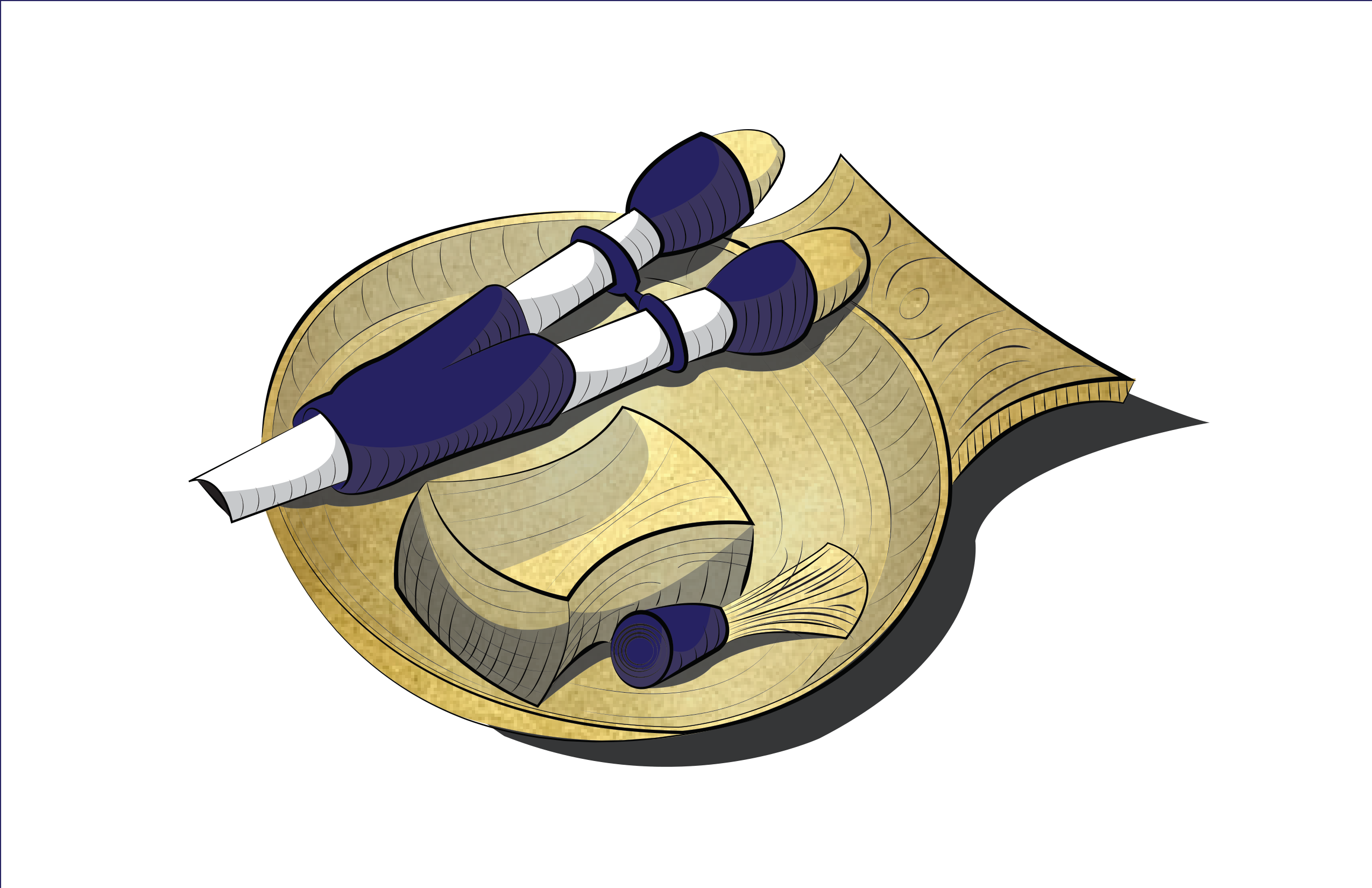
El hombre retira los gusanos de cada planta a mano, uno por uno —en lugar de pesticidas y fertilizantes.The man removes the worms from each plant by hand, one by one —instead of pesticides and fertilizers.
Cuando la planta alcanza su punto, se cosecha y se cura sobre el fogón de la Apacuana, donde se hace el casabe todos los días.When the plant reaches its point, it is harvested and cured over the Apacuana hearth, where casabe is made every day.
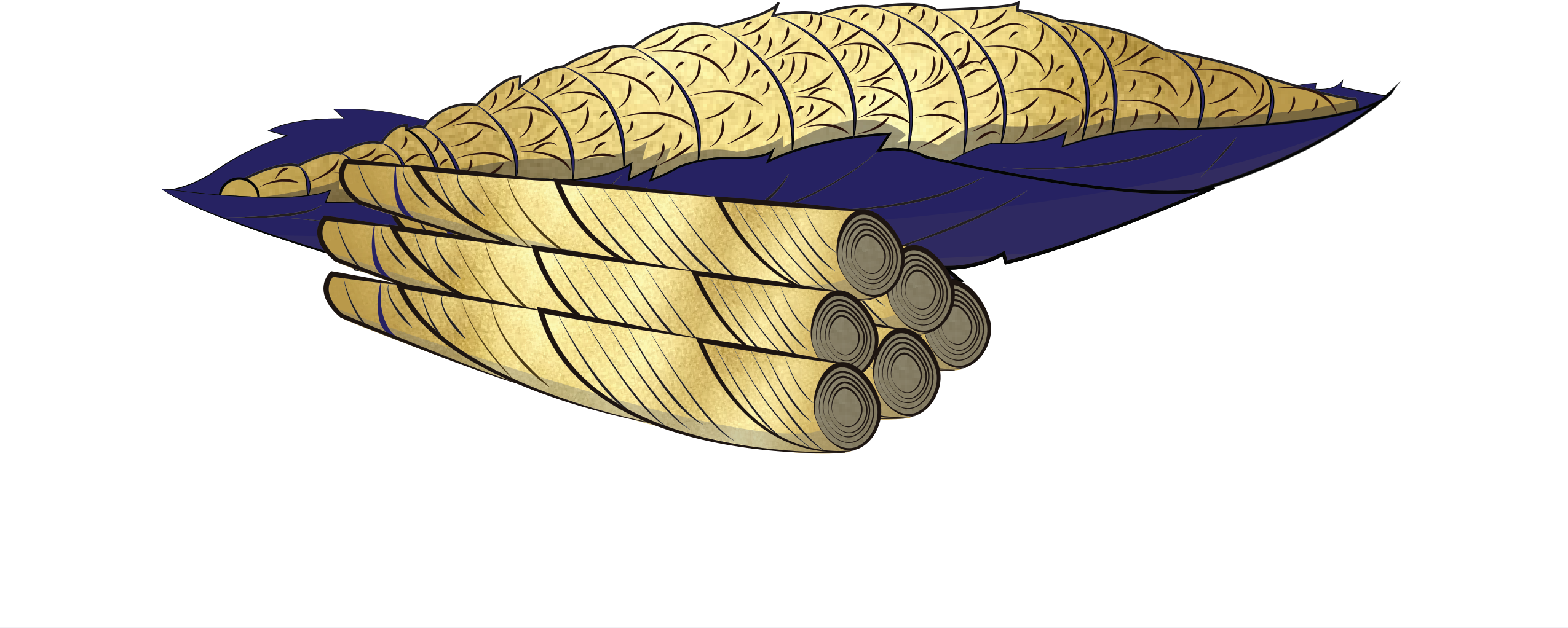
La hoja curada en su punto óptimo se conserva en bojotes de tabaco amarrados, listos para el armado.The leaf, cured to its optimal point, is kept in tied tobacco bundles, ready for rolling.
No se siembra: crece en la selva por todo el territorio Huöttöja. Se recolecta solo lo necesario para que la planta siga viva.It is not sown: it grows in the forest across all the Huöttöja territory. Only what is needed is gathered, so the plant lives on.
Del mismo conuco se obtiene el hilo de palma de moriche que cierra y amarra el tabaco.From the same conuco comes the moriche palm thread that closes and binds the tobacco.
Las hojas, desvenadas al gusto, se envuelven en platanillo de forma serpenteada y se amarran con moriche. Nace el Chamoï.The leaves, deveined to taste, are wrapped in platanillo in a serpentine fashion and tied with moriche. The Chamoï is born.
Usa las flechas del tecladoUse your keyboard arrows · o desliza en el teléfonoor swipe on your phone
Tabaco y Tuipa, en círculo de palabra, como manda la tradición Huöttöja. Cada Chamoï guarda, además, el rezo del Cacique: el canto que queda dentro con el soplo.Tobacco and Tuipa, in a circle of words, as the Huöttöja tradition asks. Each Chamoï also keeps the Cacique's prayer: the song left inside with the breath.
El Tuipa es una de las medicinas principales de la cultura Huöttöja, usada para sostener la salud física, mental y espiritual durante todo el año. En la tradición se le atribuyen estas propiedades:The Tuipa is one of the main medicines of the Huöttöja culture, used to sustain physical, mental and spiritual health all year round. Tradition attributes these properties to it:
Las propiedades se presentan como atribución tradicional del pueblo Huöttöja, no como afirmación médica.These properties are presented as traditional attribution of the Huöttöja people, not as medical claims.
 Especialidad
No es una artesanía más: el Chamoï es una de las raíces vivas de esta tierra venezolana, que ha sobrevivido siglos de transculturización. Conocer su historia es devolverle su valor —y cada Chamoï ayuda a la comunidad Huöttöja a mantener viva su cultura.Not just another craft: the Chamoï is one of the living roots of this Venezuelan land, surviving centuries of cultural erosion. To know its story is to restore its value —and every Chamoï helps the Huöttöja community keep its culture alive.